- China Insights Weekly | AI, Innovation, Business & Tech in China
- Posts
- China Again Billionaire Capital 💰 TikTok Shop Nears Shopee 🛒 Xiaomi Deploys Humanoids 🤖
China Again Billionaire Capital 💰 TikTok Shop Nears Shopee 🛒 Xiaomi Deploys Humanoids 🤖
China Insights Weekly for March 9. Unpacking China’s economic and technological advances.


Tomas Kucera & Yereth Jansen
March 09, 2026

Welcome back to China Insights Weekly. Here are some of the key highlights for this week’s edition:
FDA gives MicroPort stent graft priority status, accelerating complex aortic treatment
Chinese EV buses gain ground across Europe, winning on price and battery tech
Yuan financing hits a record, offshore borrowing and trade settlement keep rising
Vertical pig farms scale up fast, with 26-story sites raising hundreds of thousands
🚀 Headlines
China has reclaimed its status as the world's billionaire capital with 1,110 billionaires out of 4,020 globally, according to the latest Hurun Global Rich List released March 5. China added 287 billionaires since the previous edition, accounting for half of the global net increase of 578, more than recouping losses from the past three years. Artificial intelligence generated significant new wealth, fostering two Chinese billionaires: Yan Junjie of MiniMax (USD 3.6 billion) and Liu Debing of Zhipu (USD 3 billion). The country’s wealth creation surge was driven by industrial products (80+ new entrants), semiconductors (18 new billionaires, including Chen Weiliang of Metax at USD 4.7 billion and Zhang Jianzhong of Moore Thread at USD 4.6 billion, amid Beijing’s chip self-sufficiency push), healthcare (28 new entrants), and energy (19 new entrants from the EV battery ecosystem). Additionally, 42 China-born billionaires now reside in Southeast Asia and the US.
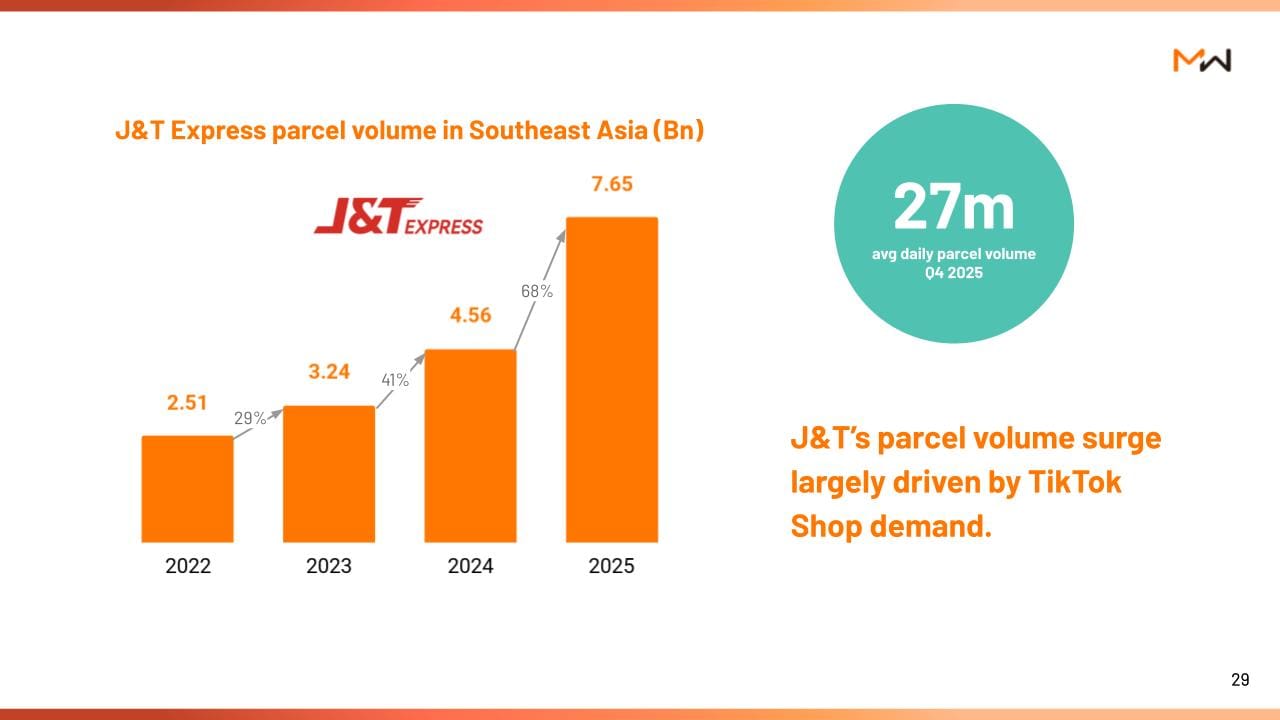
TikTok Shop is rapidly narrowing the gap with Shopee in Southeast Asia’s e-commerce market, particularly in Vietnam, where the two platforms now dominate. According to data from Metric, Vietnam’s four largest e-commerce platforms generated VND 429.7 trillion (USD 16.4 billion) in gross merchandise value (GMV) in 2025, with Shopee holding over 56% market share and TikTok Shop expanding to over 41%. Together, they command 97% of the country’s online platform GMV. The sector grew nearly 35% year-on-year. Meanwhile, TikTok Shop’s US GMV reached USD 15.1 billion in 2025, up 68% year-on-year, with 2,143 stores exceeding USD 1 million in sales. Analysts note Shopee’s adjusted EBITDA-to-GMV margin is projected to improve to 0.9% in FY2026, even as competitive pressure intensifies.
US FDA granted Breakthrough Device Designation to MicroPort’s Hector Multi-Branch Thoracic Aortic Stent Graft System, qualifying it for priority review and accelerated approval. The device enables minimally invasive treatment of complex thoracic aortic lesions involving all three aortic arch branches, a condition carrying over 80% mortality upon rupture under traditional surgery. The system already holds EU custom device certification and has been launched clinically in Europe, though it remains in pre-market trials in China. MicroPort reported 12% annual profit growth to CNY 563 million (USD 78.3 million) and 12% revenue growth to CNY 1.4 billion (USD 187.8 million), with overseas sales jumping over 55% to CNY 250 million.
Chinese electric bus manufacturers BYD and Yutong are capturing significant market share in Europe, accounting for 21% of the market in 2024, according to McKinsey. BYD buses cost approximately EUR 100,000 (USD 117,000) less than European competitors such as MAN or Daimler, which typically retail for EUR 600,000 (USD 702,000). Belgium’s De Lijn has contracted with BYD for up to 500 units, and the company plans to triple its production capacity to 1,250 vehicles annually at its new Hungarian facility. In Austria, operator Albus selected Yutong for a 34-bus order backed by a EUR 10 million (USD 11.7 million) subsidy. Recently, Deutsche Bahn ordered 200 BYD intercity buses as cities phase out diesel buses by 2030.
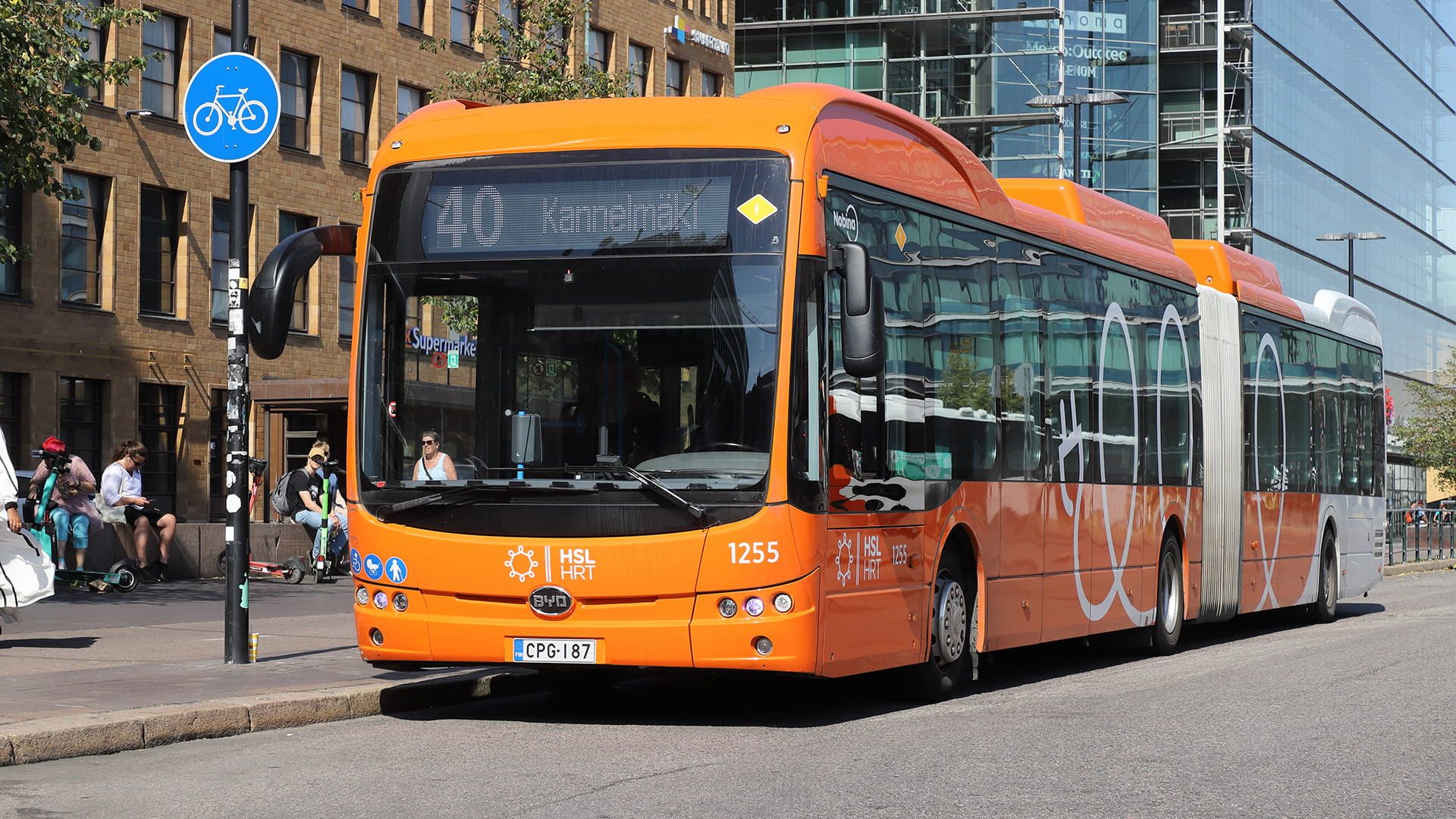
BYD bus in Helsinki, Finland
Yuan financing reached record USD 200 billion as China's currency internationalization gains momentum (link)
Yuan financing has surged to a record 218 billion yuan (USD 31.6 billion) in 2026, building upon USD 167 billion in 2025 borrowings, a tripling over five years. Dim sum bonds (offshore yuan debt) reached 103 billion yuan year-to-date, nearly double the prior year period, while panda bonds (onshore issuance by foreign entities) hit 51.4 billion yuan. Offshore yuan loans quadrupled to 42.5 billion yuan in 2025. Indonesia’s recent dual-currency offering priced its 10-year yuan tranche approximately 100 basis points below comparable euro debt. The currency’s share in China’s cross-border trade settlement reached a record 34.5% in 2024, up from 10% in 2017. Despite this growth, the yuan comprises merely 8.5% of global currency transactions and less than 2% of international reserves, ranking seventh worldwide.
Reply